For many Americans, minimum wage is more than just a number on a paycheck. It affects rent payments, grocery budgets, healthcare costs, transportation, and overall financial stability.
As inflation continues to impact daily life, workers across the United States are paying closer attention to wage laws and employment policies heading.
At the same time, businesses are also adjusting to rising labor costs, changing state regulations, and increased competition for skilled employees. Some states are raising wages aggressively, while others are keeping rates closer to the federal minimum.
This creates a complex situation for workers, employers, freelancers, and even remote employees connected to international markets like the UK.
Understanding the minimum wage USA 2026 changes can help workers make smarter career decisions and help employers stay compliant with labor laws.
Whether someone works in retail, hospitality, healthcare, technology, or part-time services, wage updates can directly influence financial planning and job opportunities.
This guide explains how minimum wage works in the United States, what changes may happen in 2026, how different states compare, and what workers should realistically expect moving forward.
Understanding Minimum Wage in the United States
Minimum wage refers to the lowest hourly pay employers are legally allowed to offer workers. In the United States, there are both federal and state minimum wage laws. Employers must generally follow whichever rate is higher.
The federal minimum wage has remained unchanged at $7.25 per hour for several years. However, many states and cities have introduced higher wage standards because the cost of living varies significantly across the country.
For example, workers in states like California, Washington, and New York often receive much higher minimum wages than workers in smaller rural states. Housing costs, transportation expenses, and local economic conditions all influence these differences.
By 2026, wage discussions are expected to remain a major political and economic issue, especially as inflation continues affecting household budgets.
Why Minimum Wage Matters More in 2026
The conversation around minimum wage has become more important because living expenses have increased rapidly in recent years. Food prices, healthcare costs, insurance premiums, and rent have all placed pressure on lower-income households.
Many workers who previously managed basic expenses now find themselves struggling financially despite working full-time jobs. This has increased public demand for higher wages in industries such as:
- retail
- hospitality
- food service
- healthcare support
- warehouse operations
- delivery services
Businesses are also facing challenges. Higher labor costs can increase operating expenses, especially for small companies. Some employers respond by raising prices, investing in automation, or reducing hiring.
The balance between worker income and business sustainability continues to shape minimum wage discussions in 2026.
Federal Minimum Wage vs State Minimum Wage
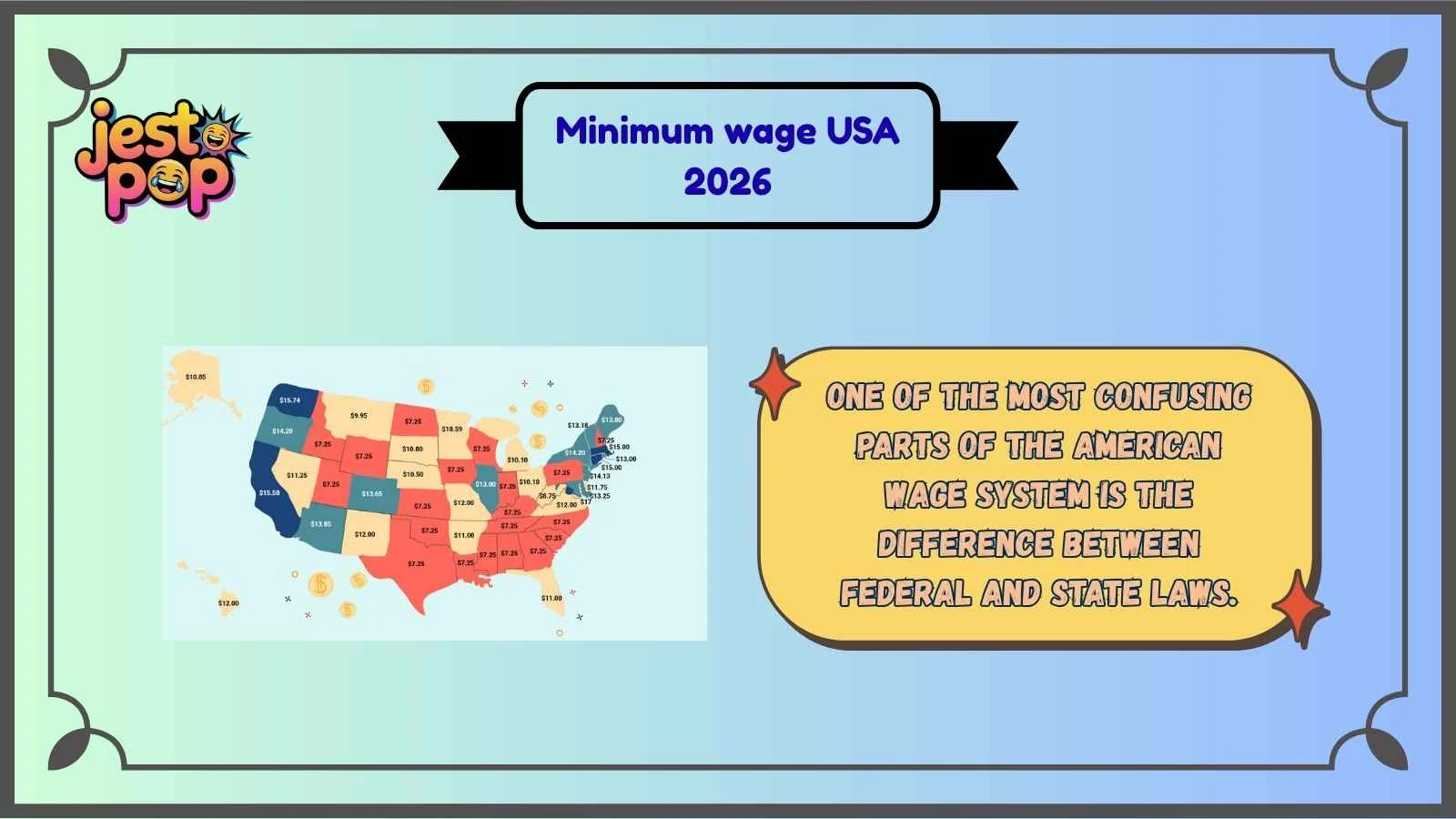
One of the most confusing parts of the American wage system is the difference between federal and state laws.
The federal government sets a nationwide minimum wage baseline. However, individual states can establish their own rates if they choose to offer higher pay.
For example, a state may require employers to pay $15 per hour even if the federal minimum remains much lower. In most situations, employers must follow the higher rate.
Some states also adjust wages annually based on inflation or cost-of-living formulas. This means workers may see automatic increases without waiting for federal legislation.
Cities can sometimes go even further. Urban areas with high living costs may adopt separate local wage laws that exceed state requirements.
This layered system means workers should always check both federal and local wage laws before accepting employment offers.
Expected Minimum Wage Trends in 2026
Although exact wage changes depend on state legislation and economic conditions, several trends are expected to continue in 2026.
Many states are likely to continue gradual wage increases. Lawmakers in higher-cost regions often support increases to help workers manage rising expenses. Industries facing labor shortages may also voluntarily raise pay rates to attract employees.
Technology and remote work are also influencing wage discussions. Companies hiring remote workers sometimes adjust compensation depending on geographic location. This has created new debates about fair pay standards in digital work environments.
Another major trend involves automation. Businesses increasingly use self-checkout systems, AI software, and digital tools to reduce labor costs. While this can improve efficiency, it also creates concerns about entry-level job availability.
Workers with adaptable skills may benefit more in this changing environment than those relying entirely on low-wage positions.
Industries Most Affected by Minimum Wage Changes
Certain industries feel the impact of minimum wage adjustments more than others.
Retail businesses often operate with large hourly workforces. Even small wage increases can significantly affect operating budgets for stores and supermarkets.
Restaurants and hospitality businesses are also heavily impacted because they depend on hourly staff. In some states, tipped workers follow different wage structures, which creates additional complexity.
Healthcare support roles, including home care assistants and nursing support staff, are increasingly receiving attention because demand for workers continues rising.
Warehouse and delivery companies may also face wage pressure due to e-commerce growth and labor competition.
Technology companies are somewhat different because many positions already exceed minimum wage standards. However, contract workers and support staff may still be affected by local wage laws.
The Connection Between Minimum Wage and Inflation
One common debate involves whether raising wages contributes to inflation.
Supporters argue higher wages help workers afford basic living expenses and improve overall economic stability. They believe increased income can strengthen consumer spending and reduce poverty.
Critics worry that rapid wage increases may force businesses to raise prices, which can contribute to inflationary pressure. Small businesses are especially sensitive to rising payroll costs.
The reality is often more complicated. Inflation depends on many factors, including supply chains, housing markets, energy prices, and economic policy.
In 2026, policymakers are expected to continue debating how wage growth and inflation influence each other.
How Minimum Wage Impacts Students and Young Workers
Students and younger workers are often among the largest groups affected by minimum wage changes.
Part-time jobs help many students pay tuition, transportation costs, rent, or daily living expenses. Even small wage increases can improve financial flexibility.
At the same time, some employers become more selective when labor costs rise. This can create stronger competition for entry-level jobs.
Young workers who develop digital skills may gain advantages in the modern economy. Skills like graphic design, content writing, coding, customer support, and social media management can create opportunities beyond traditional hourly jobs.
This shift explains why many students are now exploring freelancing and remote work alongside part-time employment.
Minimum Wage and Remote Work Opportunities
Remote work has changed how many companies think about wages.
Before remote work became common, pay rates were often tied closely to office location. Today, businesses sometimes hire employees from different states or even different countries.
Some companies maintain equal pay standards regardless of location, while others adjust wages depending on regional living costs.
This creates opportunities for workers in lower-cost areas who can access jobs previously limited to expensive cities. However, it also raises questions about fairness and wage consistency.
For remote workers, understanding local labor laws remains important because state regulations may still influence compensation requirements.
Financial Planning on Minimum Wage
Living on minimum wage often requires careful budgeting and financial discipline.
Workers frequently focus on reducing unnecessary expenses, managing debt carefully, and building emergency savings when possible. Affordable healthcare, transportation, and housing become major priorities.
Some workers also combine multiple income streams, including part-time freelancing or online work, to improve financial stability.
Financial education is becoming increasingly valuable because rising costs make budgeting skills more important than ever.
People who improve career skills and pursue higher-paying opportunities often gain more long-term financial security than those relying only on minimum wage employment.
FAQs:
What is the federal minimum wage in the USA for 2026?
The federal minimum wage remains $7.25 per hour unless new legislation changes it. However, many states already require much higher wages.
Which states have the highest minimum wage?
States like California, Washington, and New York typically offer some of the highest minimum wage rates due to higher living costs.
Can cities set their own minimum wage?
Yes, some cities establish local minimum wage laws that exceed state requirements.
Does minimum wage apply to remote workers?
In many cases, wage laws depend on where the employee works or where the employer operates. Rules can vary by state.
Why are minimum wage discussions important in 2026?
Rising living expenses, inflation, labor shortages, and remote work trends have made wage policies a major economic topic.
Conclusion:
The minimum wage USA 2026 discussion reflects broader concerns about affordability, employment, and economic stability. Workers want wages that match rising living costs, while businesses continue balancing labor expenses and long term growth.
State-level wage increases, inflation concerns, remote work changes, and labor shortages are all shaping the future of employment across the country.
For workers, understanding wage trends can support better financial and career decisions. For employers, staying informed helps maintain compliance and workforce stability.
Minimum wage alone may not solve every financial challenge, but it remains an important part of the conversation about fair pay and economic opportunity in the modern workforce.

Mohamad Khosravi is a passionate content creator and digital enthusiast with a strong focus on delivering clear, engaging, and trustworthy information. With a keen eye for detail and a commitment to quality, Mohamad Khosravi believes in creating content that not only informs but also adds real value to readers.
Driven by curiosity and continuous learning, Mohamad Khosravi enjoys exploring new ideas, trends, and insights across various topics. His goal is to present well-researched content in a simple, reader-friendly way, making complex ideas easy to understand.